Relationship Design
Design your relations consciously
What is Relationship Design?
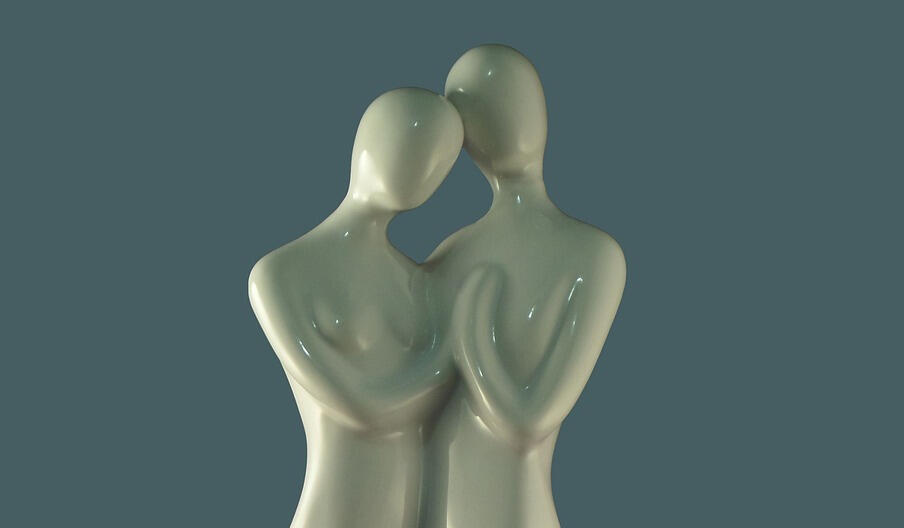
Relationship Design is a framework for the conscious design of relationships.Through reflection and analysis of existing relationship patterns, both the potentials of shared life and the sources of potential conflicts become visible.With an increased awareness of one's relational dynamics, approaches for change are developed to align these dynamics with the shared vision.This process is based on three fundamental principles:
Communication, Cooperation and ConsentFor more Info and short videos visit:
About me

My name is Maximilian Schubert.
I work as a physiotherapist and am currently completing a training in systemic couples therapy at ISKA Berlin. Out of these two fields, I’m developing Relationship Design — a framework for consciously shaping the way we live and connect with one another.Before that, I earned a degree in mechanical engineering and product development from the Technical University of Munich. Since then, I’ve continued to study independently in areas such as philosophy, sociology, and psychology. Learning is one of my great joys — and sharing what I learn, whether through writing, teaching, or conversation, is part of how I make sense of the world.With Relationship Design, I bring together my understanding of the body from physiotherapy with my fascination for the psychological and social dynamics of relationships. The approach is experiential, blending physical awareness with reflective and emotional work.I believe that relationships are at the heart of what it means to be human. To me, consciously cultivating them is one of the most powerful ways to enrich our lives — individually and collectively.
Offers

Individual Session
In general, the Relationship Design approach focuses on the joint creation and development of a partnership. However, it is also possible to begin this work in individual sessions.Even if only one partner starts to change their part of the relational dynamic, this already has an impact on the relationship as a whole.Cost: 90min for 60 Euro
Couples Counseling
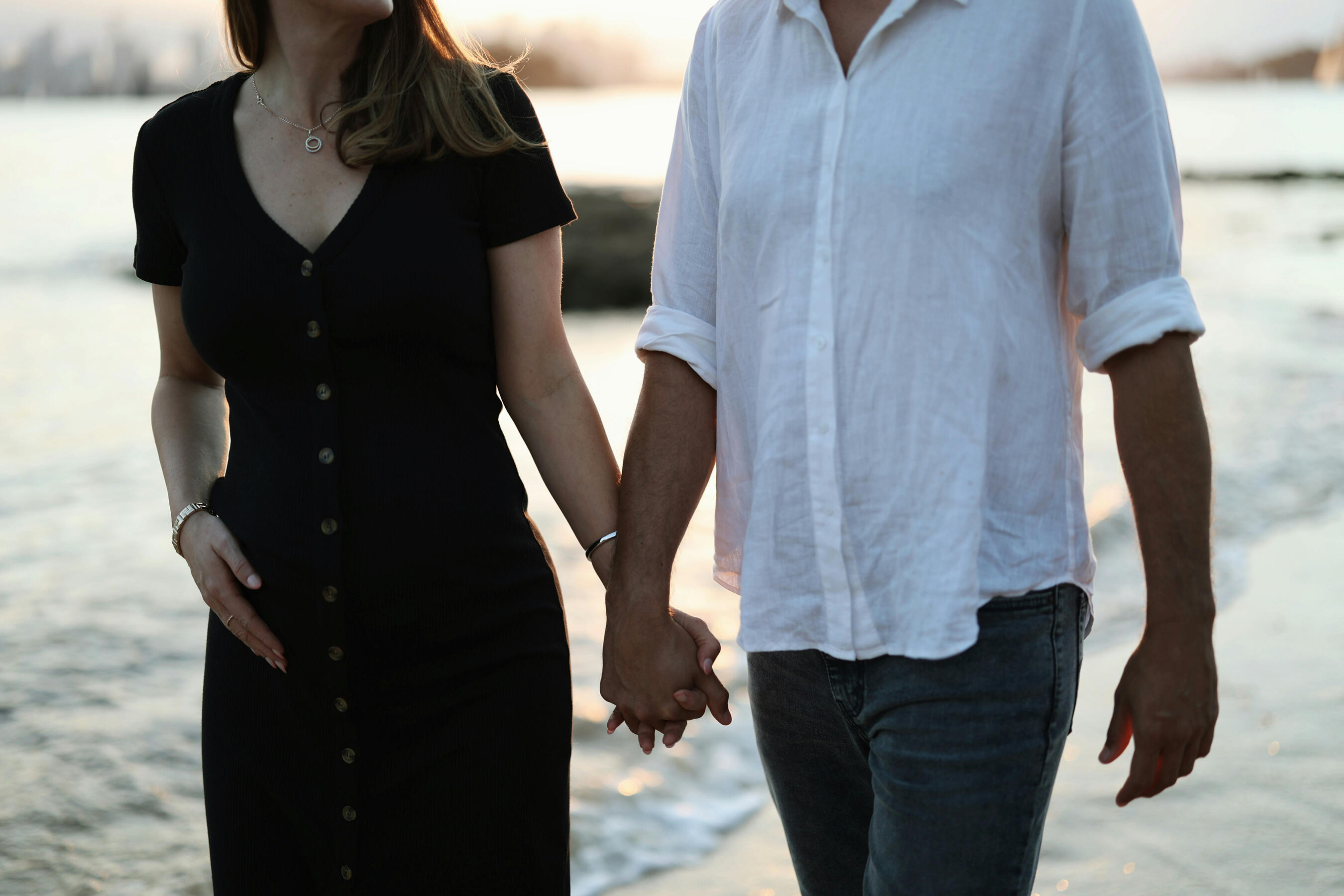
In joint sessions, the relationship dynamic is reflected upon and pathways for change are explored — with the aim of aligning the partnership with the couple’s shared wishes and intentions.This adjustment is an ongoing process. The goal of the sessions is to empower both partners to continue this process independently and sustainably.Cost: 90min for 60 Euro

Seminars
In the seminars, couples go through the Relationship Design process together in a group setting. Within this supportive environment, participants are invited to share their insights and experiences, allowing everyone to learn from one another.
Next Seminar:
TBD
Location
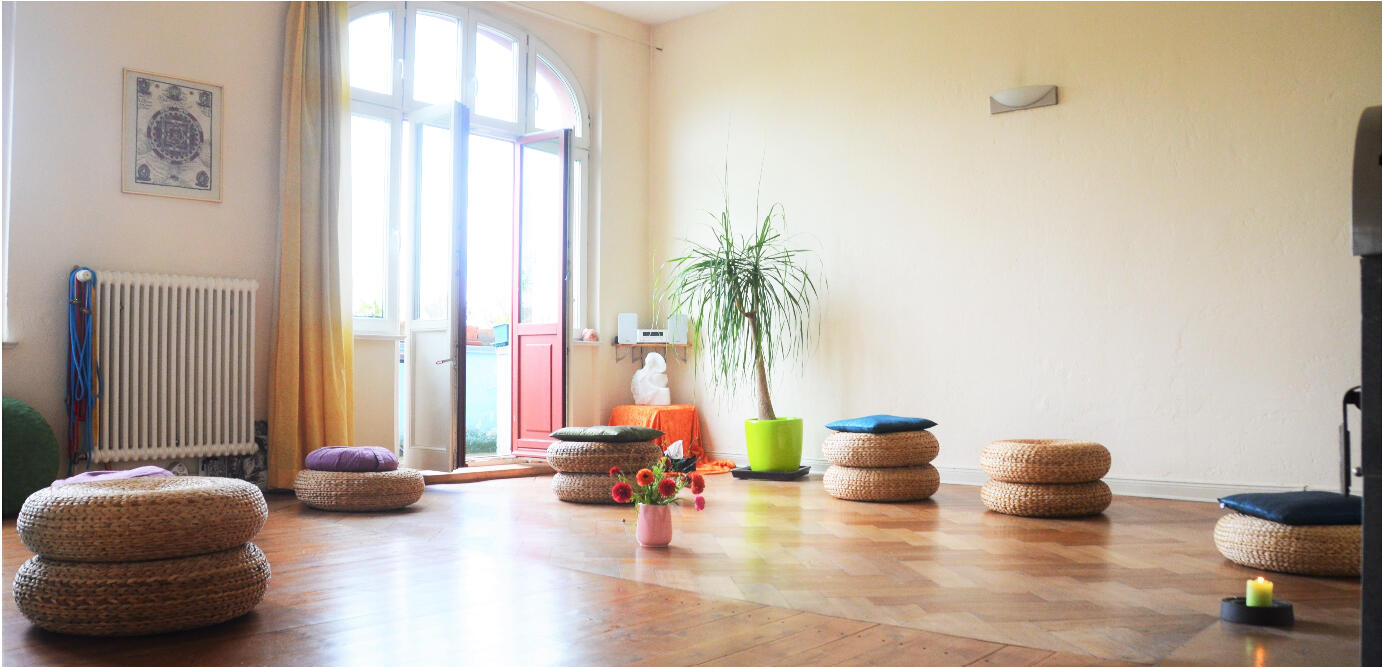
The appointments will take place in a cozy location close to the subway station Schlesisches Tor in Falckensteinstraße 46 in Berlin.In exceptional cases, online sessions can be arranged. However, in-person sessions are preferred, as they allow for greater distance from everyday relationship routines and the habits and behavioral patterns associated with them.
Philosophy and Methods

The Relationship Design approach is based on the following principles:The foundation for consciously shaping a relationship includesHonest and open communicationA cooperative attitude toward one’s partnerConsensus in decisions regarding the relationshipRelationships are an important part of our lives. They can bring us joy, security, support, inspiration, and much more. Together, we can achieve more than we can alone.At the same time, conflicts in relationships can have a destructive impact on our lives. Because relationships strongly influence our well-being, it is worthwhile to engage consciously with the cultivation of at least our closest relationships.Conflicts and crises in relationships are opportunities for growth, both individually and as a couple.A partnership can provide a framework in which to experiment with change and support both personal and shared development.Relationships exist within a complex social network in which we move every day. Close connections influence us, and through us, they also influence the people around us.The Relationship Design approach is systemic.
It takes into account both individual preferences and desires, as well as the shared relationship dynamics and the familial and social contexts in which they are embedded.For change to be effective, it must be experienced directly, in order to create motivation for further development. The methods used need to be tested individually, so that each person can find what is most useful for their own growth.
Contact
© 2025 Maximilian Schubert - Berlin